
Top 5 Winter Driving Hazards That Lead to Auto Body Damage
North Hampton, United States - January 16, 2026 / Committed Collision & Auto Body Center /
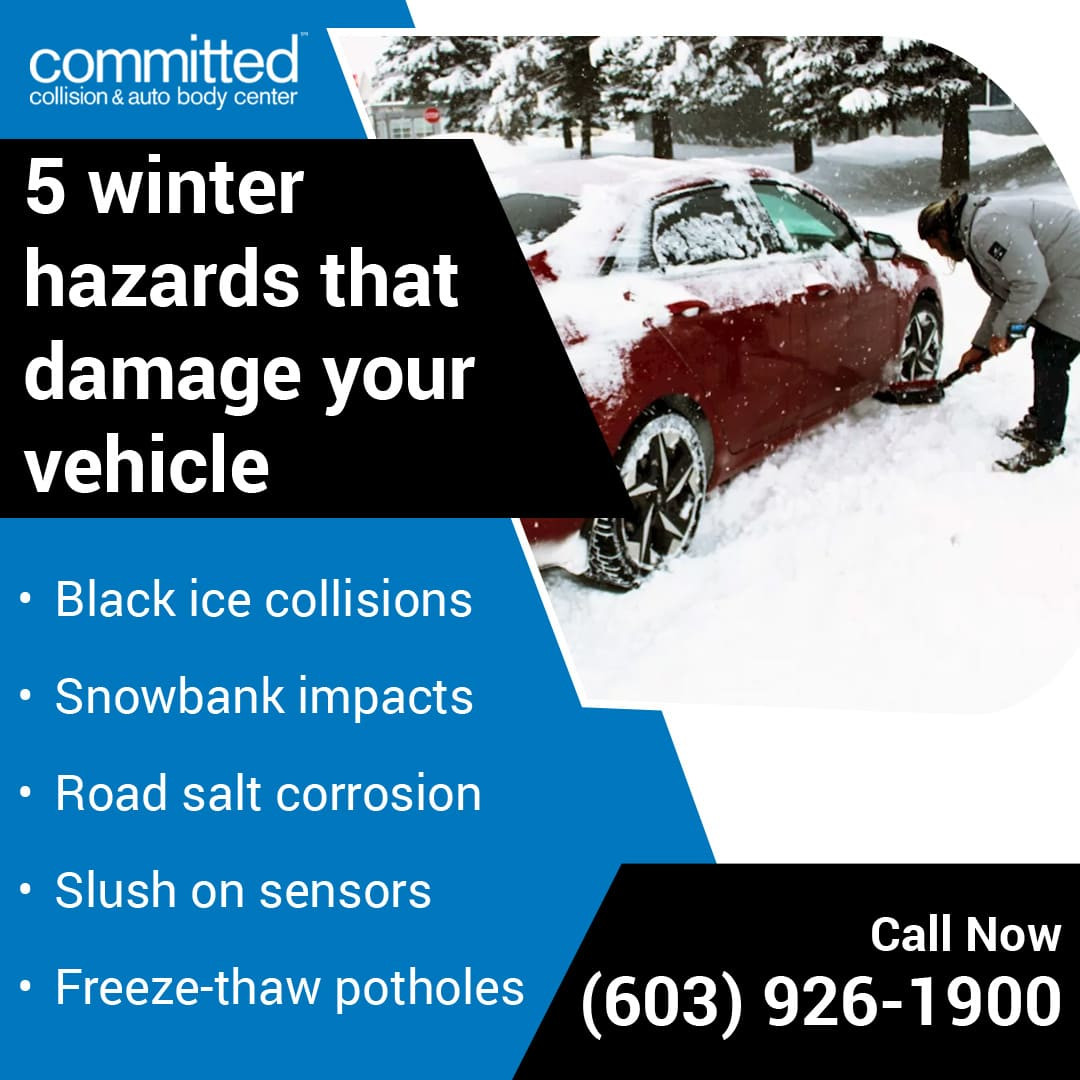
North Hampton, NH - As winter weather returns to New Hampshire, snow, ice, and freezing temperatures significantly raise the risk of collisions and hidden vehicle damage. Committed Collision & Auto Body Center, a trusted local auto body shop in North Hampton, NH, outlines the top five winter driving hazards that commonly lead to auto body damage. They explain why a timely, professional inspection is often essential to maintain vehicle safety.

Why Winter Conditions Create Elevated Risk
Winter roads combine several dangerous factors: slick ice, reduced visibility, drifting snow, road salt, and freeze–thaw potholes. According to national winter‑driving data, more than 150,000 crashes occur annually due to icy or snowy roads.
In snowy or slushy conditions, stopping distances increase dramatically, steering response degrades, and visibility often drops, all of which elevate the probability of collisions, even at low speeds.
Top Winter Hazards That Lead to Auto Body Damage
1. Black Ice and Invisible Ice Layers
Black ice forms a thin, nearly invisible layer of ice on pavement, especially on bridges, overpasses, and shaded sections.
Drivers who lose control on black ice may strike guardrails, other vehicles, or fixed objects. These incidents often result in deep scrapes or dents to doors, quarter panels, and bumpers. Even if visible damage seems minor, underlying structural or alignment issues may exist.
2. Snowbanks, Reduced Visibility, and Parking Lot Collisions
Snowbanks left by plows can block sight lines and create visibility hazards in parking lots and driveways. In many winter‑related collisions, low-speed impacts cause damage to bumpers, headlights, fenders, doors, and mirrors. Modern vehicles with lightweight materials and integrated sensors further amplify the risk. Even a slow-speed bump may cause hidden structural or sensor misalignment.
3. Road Salt, Corrosion, and Rust-Related Weakness
To keep roads passable, many winter maintenance crews apply significant road salt. Salt combined with moisture accelerates corrosion on wheel wells, rocker panels, door bottoms, and frame components. Over time, corrosion compromises structural integrity. When a winter collision occurs, rust-weakened panels may crumple more easily, turning what might have been a minor auto body repair into a major one.
4. Slush, Snow Build-Up, and Advanced Sensor Failures
Modern vehicles often rely on Advanced Driver Assistance Systems (ADAS) such as cameras, radar, and ultrasonic sensors. Winter road spray, slush, and snow accumulation can obstruct sensors. Even small collisions can shift sensor alignment, potentially degrading or disabling features like automatic braking or blind‑spot warnings. Post-impact calibration and diagnostics are often needed to restore full functionality.
5. Potholes from Freeze–Thaw Cycles
Freeze–thaw cycles often create potholes or uneven pavement during late winter and early spring. Striking a pothole can crack bumper covers, bend wheels, tear fender liners, or damage suspension components. The shock may also misalign suspension geometry, leading to steering or handling issues that are not immediately visible.
Why Expert Inspection Is Crucial After Winter Incidents
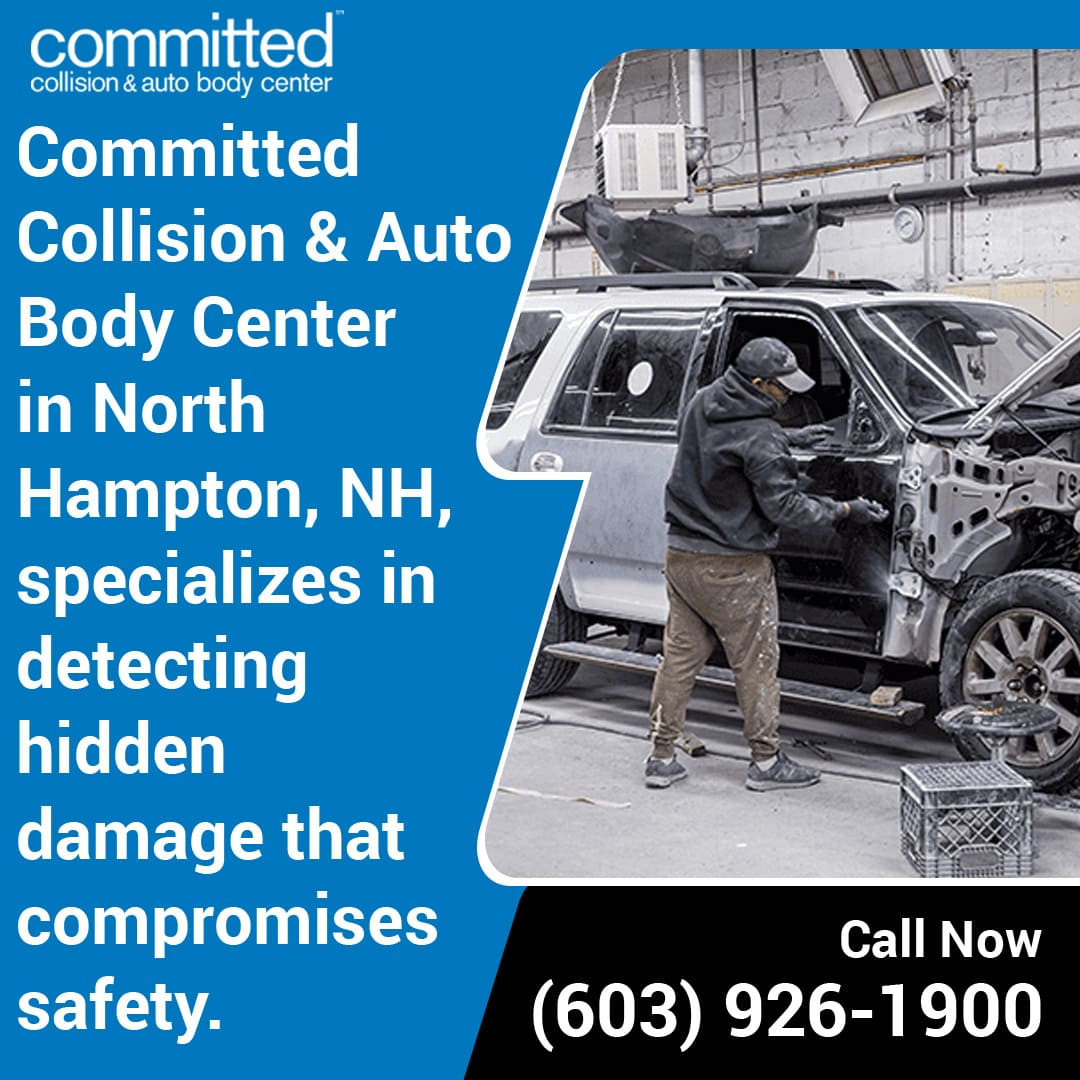
Visible dents and scrapes often tell only part of the story. For modern unibody vehicles, where the frame and body form a single integrated structure, even minor impacts may cause hidden structural or sensor damage. An auto body repair shop uses systematic inspection: visual examination, sensor diagnostics, and structural measurement. Such a thorough assessment reveals frame shifts, bent reinforcements, sensor misalignments, and rust‑related weaknesses, all of which could compromise safety if ignored.
Delaying repair or relying solely on what meets the eye may result in premature corrosion, sensor failure, compromised crash protection, or uneven wear on suspension and tires. In regions with harsh winters, earlier intervention often saves money and maintains long‑term vehicle integrity. Local auto body repair specialists like Committed Collision & Auto Body Center are familiar with weather-related damage and experienced in dealing with it.
Tips to Reduce Winter Accident Risk
To help reduce the risk of winter driving damage, NH drivers should:
- Drive slowly and increase following distance on slick or snow‑covered roads.
- Regularly clear snow and slush from sensors, lights, and bumpers so safety systems function properly.
- Consider winter-rated tires that retain flexibility and grip at low temperatures.
- Be especially cautious around snowbanks, parking lots, and shaded roadways where ice may form.
- Inspect wheel wells, undercarriage, and body panels regularly for early signs of salt corrosion if driving through salted roads often.

Protect Your Vehicle This Winter With Expert Collision Repair
Don't let winter weather compromise your vehicle's safety. If you've experienced a slide, impact, or warning light after icy conditions, schedule a professional evaluation today. Committed Collision & Auto Body Center provides accurate diagnostics and professional auto body repairs that restore performance and safety. Call (603) 926-1900 or email info@committedcollision.com to book your assessment.

Contact Information:
Committed Collision & Auto Body Center
203 Lafayette Road
North Hampton, NH 03862
United States
Derek Lighthall
(603) 926-1900
https://committedcollision.com/
Original Source: https://committedcollision.com/auto-body-shop/top-5-winter-driving-hazards-that-lead-to-auto-body-damage/
