
Effective Waterproofing Methods to Fix and Prevent Bowed Basement Walls
Rochester, United States - December 8, 2025 / Highlander Waterproofing & Foundation Repair /
When your basement walls begin to bow, it’s more than just an aesthetic problem; it’s a sign of significant structural issues that can lead to severe moisture problems. You’ve probably heard of different waterproofing solutions, ranging from professional methods like exterior waterproofing systems to DIY techniques such as using waterproofing paint. But how do you know which solution is right for you? And how can you guarantee its effectiveness over time to protect your home’s integrity and value? Stick around, we’re about to explore some practical and proven waterproofing solutions for bowed basement walls.
Key Takeaways
- Professional waterproofing methods such as crack injection and interior drainage systems can effectively prevent water accumulation in basements.
- DIY waterproofing techniques include using waterproofing paint, sealing visible cracks, and improving drainage systems to prevent bowing basement walls.
- Waterproofing helps maintain the structural integrity of the house, preventing the worsening of bowing walls and potential collapse.
- Regular inspections and maintenance are crucial for the effectiveness of waterproofing in preventing and repairing bowed basement walls.
- Waterproofing increases property value as a waterproofed basement is a significant selling point, making it an important part of home maintenance.
 Understanding Bowed Basement Walls
One in every four homeowners may encounter the problem of bowed basement walls. It’s a serious issue that you shouldn’t ignore. These walls don’t just disrupt your home’s aesthetics, but they can also compromise the structural integrity of your house.
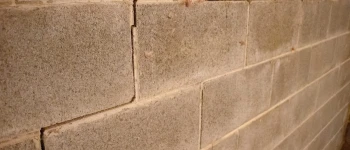
To understand bowed basement walls, you need to know what they look like. They’re not always obvious at first glance. You might notice a slight curve in your wall, or perhaps a bulge.
Over time, this bulging can worsen, causing significant damage. The walls may even start to crack, which can lead to water intrusion, creating an ideal breeding ground for mold and mildew.
But don’t let this scare you. You’ve got options. Certain waterproofing solutions can help you manage and even correct this issue.
It’s all about identifying the problem early and acting on it quickly. Don’t let a minor bowing issue turn into a major home disaster. When it comes to your home, it’s always better to be safe than sorry.
Common Causes of Wall Bowing
Before you can tackle the issue of bowed basement walls, you need to understand what’s causing it. There are various reasons, but three major causes stand out: soil pressure, foundation settlement, and poor drainage.
Excessive soil pressure is often the main culprit. It occurs when the soil around your home expands and contracts due to temperature changes or moisture levels, pushing against your basement walls. This can lead to cracking and bowing over time.
Another common cause is foundation settlement. Over time, your home’s foundation could naturally settle due to the soil composition and the weight of the house. This can result in uneven pressure on your basement walls, causing them to bow.
Finally, poor drainage can also lead to bowed walls. Without proper drainage, water can pool around your home, causing soil to expand and exert pressure on your basement walls.
Here’s a quick summary in table form:
| Cause | Description | Solution |
|---|---|---|
| Soil Pressure | Soil expands and contracts, pushing against walls. | Install a retaining wall. |
| Foundation Settlement | Uneven pressure due to house weight and soil. | Underpinning or slab jacking. |
| Poor Drainage | Water pools, causing soil expansion. | Improve drainage system. |
Understanding the cause helps in choosing the right waterproofing solution.
Why Waterproofing Is Crucial
After identifying the cause of your bowed basement walls, it’s crucial to understand why waterproofing is so important.
Waterproofing plays a critical role in maintaining the structural integrity of your house. Without it, water can penetrate your basement walls, exacerbating the bowing and potentially leading to a complete collapse.
You see, water is a silent destroyer. It seeps into the smallest cracks and crevices, expanding and contracting with temperature changes. This cycle can widen existing fissures, causing your walls to bow even more.
Waterproofing acts as a barrier, preventing water infiltration and subsequent damage.
Moreover, a waterproofed basement provides a healthy living environment. Moist basements can breed mold and mildew, harmful agents that can cause respiratory problems and other health issues.
By waterproofing your basement, you’re not only protecting your home’s structure but also your family’s health.
Lastly, waterproofing boosts your property’s value. A leaky basement is a red flag to potential buyers and can greatly lower your home’s worth. Conversely, a well-maintained, waterproofed basement is a strong selling point.
 Professional Waterproofing Methods
Though you might be tempted to tackle basement waterproofing on your own, it’s wise to contemplate professional methods that can guarantee long-lasting results.
Experienced professionals use techniques that are much more advanced than what you’d typically find in any DIY kit. They’ll often start by inspecting your basement carefully to identify the root cause of the issue. If they find that the water is coming in through cracks in the walls or floor, they’ll use a crack injection method. This involves injecting a waterproof resin into the cracks, which hardens and prevents water from seeping in.
For more serious issues, they might recommend exterior waterproofing. It’s a more involved process, requiring excavation around your home’s foundation. But it’s a surefire way to redirect water away from your home, keeping your basement dry.
Professionals also use interior water drainage systems, which prevent water from building up inside your basement. They install a system that collects water and channels it away from your home.
In the end, you’re not just paying for their time. You’re investing in their expertise, advanced equipment, and proven methods. It’s a smart choice for a dry, worry-free basement.
DIY Waterproofing Techniques
Occasionally, you might find yourself wanting to tackle a minor waterproofing issue in your basement by yourself.
It’s a challenging task, but don’t worry, there are several accessible DIY techniques that can help keep your basement dry.
Here are some basic steps that you can follow:
- Invest in a good dehumidifier: This will help to reduce the moisture level in your basement, making it less likely for water to condense on your walls.
- Use a waterproofing paint: These paints are designed to withstand damp conditions and prevent water seepage.
- Seal cracks and leaks: Use a waterproof sealant to fill in any visible cracks or leaks in your basement walls.
- Improve your drainage system: If water tends to pool around your house, consider taking steps to improve your drainage, such as installing a French drain.
- Insulate your walls: Insulation can help to prevent condensation, which can lead to dampness and water damage.
Preventative Measures for Wall Bowing
While waterproofing your basement is an excellent first step, it’s also important to contemplate preventative measures that can combat wall bowing. Implementing such measures can save you time, money, and stress in the future.
One measure you can take is improving drainage around your home. Redirecting water away from your foundation can prevent the pressure that causes walls to bow. Additionally, consider reinforcing your basement walls. This can be achieved through various methods such as carbon fiber strips or steel I-beams. Also, regular maintenance and inspections are essential in catching early signs of wall bowing, allowing remediation before severe damage occurs.
To make it easier for you, here’s a table summarizing these preventative steps:
| Action | Purpose | Frequency |
|---|---|---|
| Improve Drainage | Redirect water away from foundation | As needed |
| Reinforce Walls | Prevent bowing due to pressure | One-time installation |
| Regular Maintenance | Early detection of bowing | Annually |
Evaluating Waterproofing Success
After your basement has been waterproofed and preventative measures have been taken against wall bowing, it’s crucial to evaluate the success of these efforts.
It’s not enough to simply apply the solutions and hope for the best. You need to be proactive and verify that your investment has paid off.
To assess the success of your waterproofing efforts, consider the following factors:
- Absence of moisture: A successful waterproofing job will keep your basement dry, even during heavy rain or snowfall. No water stains or damp spots should be present.
- Condition of the walls: The walls shouldn’t show any signs of cracking or bowing. If they’re straight and intact, it’s a good sign.
- No mold or mildew: If there’s no growth of mold or mildew, it shows that the moisture level is under control.
- Odor: A dry, clean basement shouldn’t have a musty smell. If it smells fresh, it’s a positive indication.
- Structural integrity: Check for signs of deterioration in the overall structure. If everything is holding up well, your waterproofing efforts are likely successful.
So, you’ve got the lowdown on bowed basement walls. Remember, waterproofing is key to prevent further damage. Whether you’re going pro with exterior systems and crack injections, or going DIY with paint and French drains, staying on top of inspections and maintenance is essential. With these preventative measures, you’re ensuring your home’s integrity and value. Don’t forget to regularly evaluate the success of your waterproofing efforts. Here’s to a dry and damage-free basement!

Contact Information:
Highlander Waterproofing & Foundation Repair
1504 Scottsville Road #210
Rochester, NY 14623
United States
Giulio Bevilacqua
(877) 415-0564
https://highlanderwaterproofing.com/
