
How Does the Auto Collision Repair Process Work? A Step-by-Step Look
Indianapolis, United States - December 16, 2025 / Tom Wood Collision /
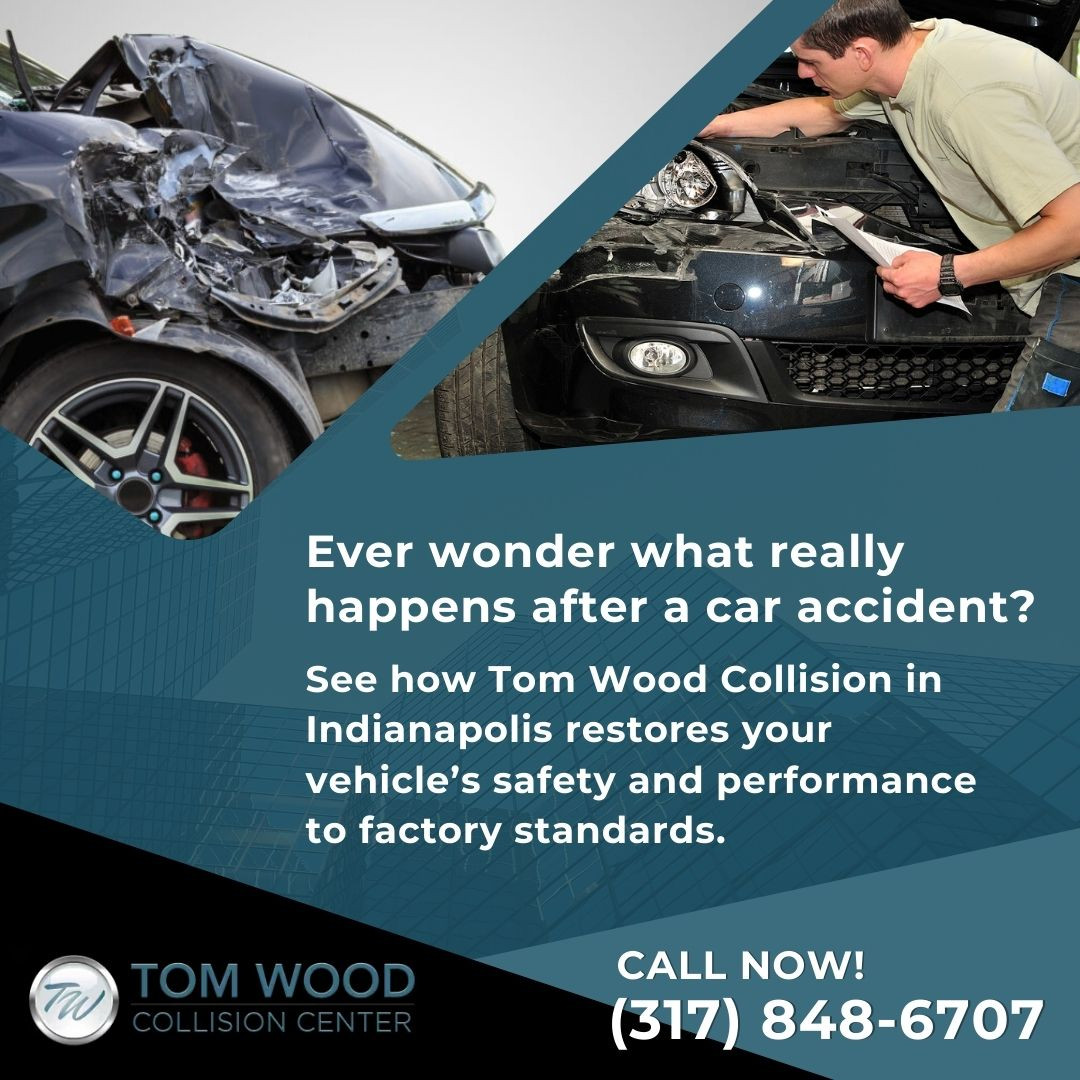
Indianapolis, IN - Tom Wood Collision Center, a certified collision repair center serving Indianapolis since 2012, has released a detailed overview of its structured vehicle repair process. The release offers local drivers transparency into how today’s complex vehicles are restored after accidents using manufacturer-approved procedures and advanced technology.

How Modern Collision Repair Works
Modern auto collision repair involves more than fixing cosmetic damage. Today’s vehicles include radar systems, sensors, and safety electronics that must be returned to factory-specified alignment to maintain occupant protection and system function. At Tom Wood Collision, the repair process follows a precise path designed to restore appearance and safety performance while maintaining the manufacturer’s integrity standards.
Initial Inspection and Electronic Assessment
Each repair begins with a visual and electronic inspection to identify surface and structural damage. Technicians use diagnostic scanning tools to pull fault codes from safety systems, control modules, and electronic sensors. This early step reveals damage that may not be visible but could affect vehicle performance or safety.
Advanced imaging tools like the UVEYE Helios system are used to scan undercarriages and suspension components. These scans produce real-time imagery that helps technicians build a full damage profile before work begins.
Repair Planning and Insurance Coordination
Repair estimators analyze the damage to create a written repair plan that aligns with OEM repair procedures. The plan outlines every step, from disassembly and parts ordering to structural corrections and paint refinishing.
Documentation, including images and diagnostics, is sent to insurance providers for approval. Tom Wood Collision works directly with all major carriers and helps expedite the authorization process for local customers.
Disassembly and Hidden Damage Discovery
Once the plan is approved, technicians begin disassembling damaged areas to expose underlying components. This step often uncovers structural misalignments or safety system damage not evident during the initial inspection. All findings are documented and submitted to insurance for supplemental approval when needed.
OEM replacement parts are ordered during this phase, and customers are kept informed of delivery timelines and any changes to repair estimates.
Frame and Structural Restoration
If frame damage is detected, computerized measuring systems guide frame straightening. Even millimeter deviations can compromise crash performance. Technicians use hydraulic equipment to return the structure to its original factory dimensions, referencing the manufacturer's specs throughout the process. After repairs, structural areas receive rust-preventive primers to protect long-term integrity.
Body Panel Repair and Surface Prep
Technicians at Tom Wood Collision restore body panels using methods appropriate to the material, such as steel or aluminum. When possible, paintless dent repair is used to remove minor dents without disturbing factory paint. Traditional metalwork, including welding and reshaping, is used for more severe damage.
Panel alignment is checked throughout, ensuring proper gaps between doors, fenders, and trim. Surfaces are prepared for painting through sanding, filling, and priming to achieve a smooth finish.
Factory-Matched Paint and Controlled Refinishing
Using the Sherwin-Williams Collision Core Pronto system, their technicians mix paint according to the vehicle’s exact factory code. Spray booths maintain clean air, ideal temperature, and humidity conditions to deliver high-quality refinishing. Each vehicle receives base coat and clear coat applications followed by force curing, which accelerates the drying process and strengthens paint durability.
ADAS Sensor Calibration and System Validation
Modern vehicles depend on Advanced Driver Assistance Systems (ADAS), including forward collision alerts, lane keeping, and automatic braking. These systems rely on precisely positioned sensors and cameras that must be recalibrated after a collision.
Tom Wood Collision performs ADAS calibrations to align sensor performance with OEM requirements. This step is critical for returning vehicle safety systems to functional condition.
Final Reassembly, Testing, and Quality Review
Once repairs are completed, technicians reassemble components and verify system operations. Final diagnostic scans confirm that electronic systems communicate correctly and match pre-repair baseline data.
Each vehicle undergoes a multi-point inspection, including a road test to validate steering, braking, and sensor responsiveness under real driving conditions. Final inspections also check panel alignment, paint finish, and part fitment.

Collision Repair Backed by Certifications and Technology
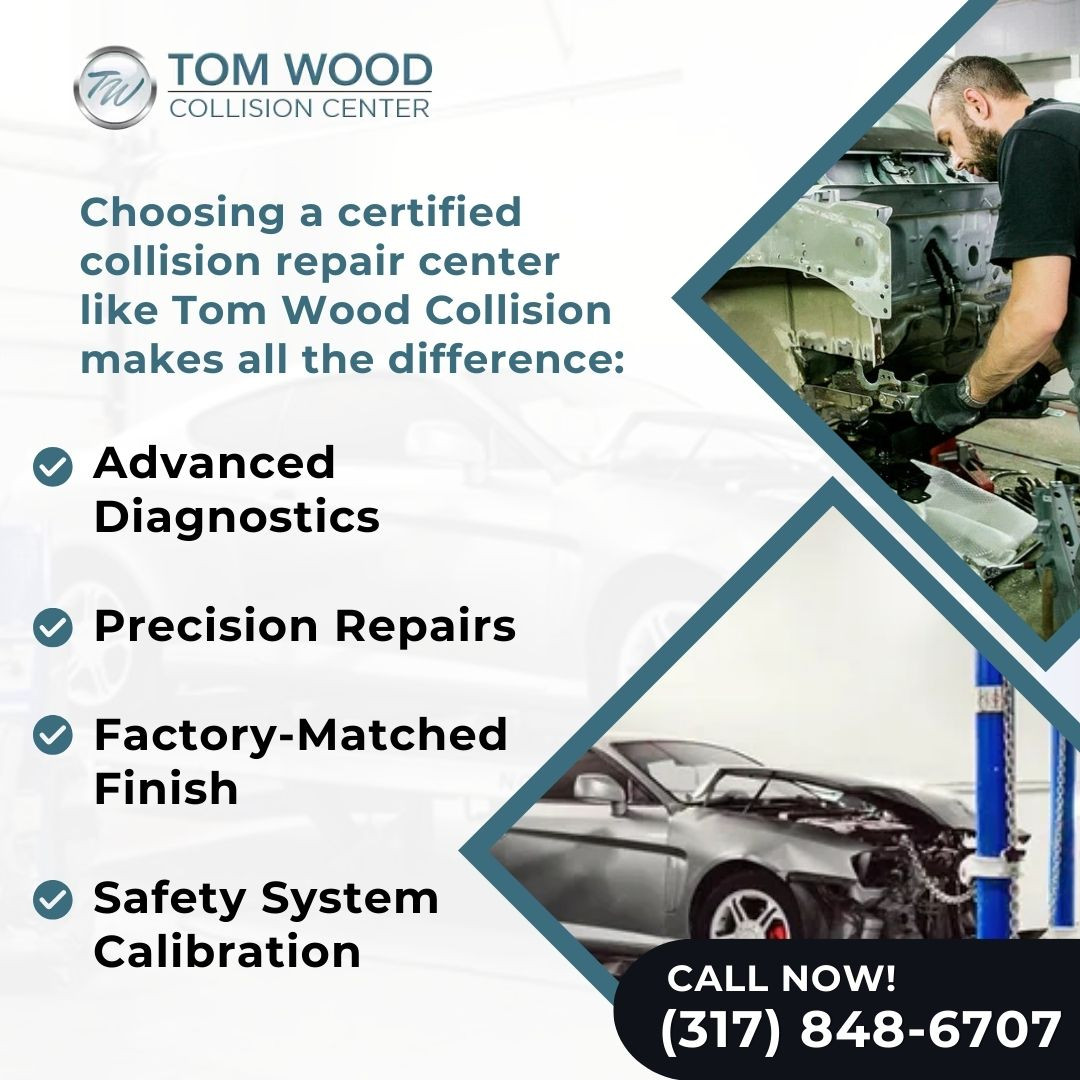
Tom Wood Collision holds certifications from over 20 vehicle manufacturers, including Lexus, Honda, Toyota, Porsche, and General Motors. Its technicians maintain current I-CAR Gold Class and ASE certifications, ensuring repairs follow factory repair procedures. As a trusted provider of collision repair in Indianapolis, the facility stands out through its investment in scanning technology, precision measurement systems, and ADAS calibration tools. This gives local drivers access to advanced repairs that meet today’s vehicle standards.
Restore Your Vehicle with Quality Collision Repair in Indianapolis
Tom Wood Collision offers auto collision repair near you that combines advanced repair methods with transparency at every step. From your first estimate to final delivery, their team communicates clearly and delivers repair quality backed by a lifetime workmanship warranty. For more information or to schedule a repair estimate, contact Tom Wood Collision at (317) 848-6707.

Contact Information:
Tom Wood Collision
9727 Bauer Dr E
Indianapolis, IN 46280
United States
Joshua Piccione
(317) 848-6707
https://www.tomwoodcollision.com/


Original Source: https://www.tomwoodcollision.com/blog/2025/december/11/how-does-the-auto-collision-repair-process-work-a-step-by-step-look.htm
