
Finding the Best Collision Repair Near You: A Checklist
Indianapolis, United States - January 12, 2026 / Tom Wood Collision /
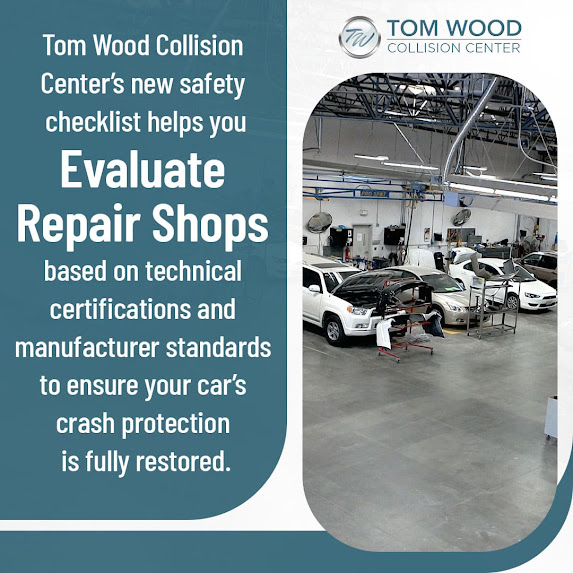
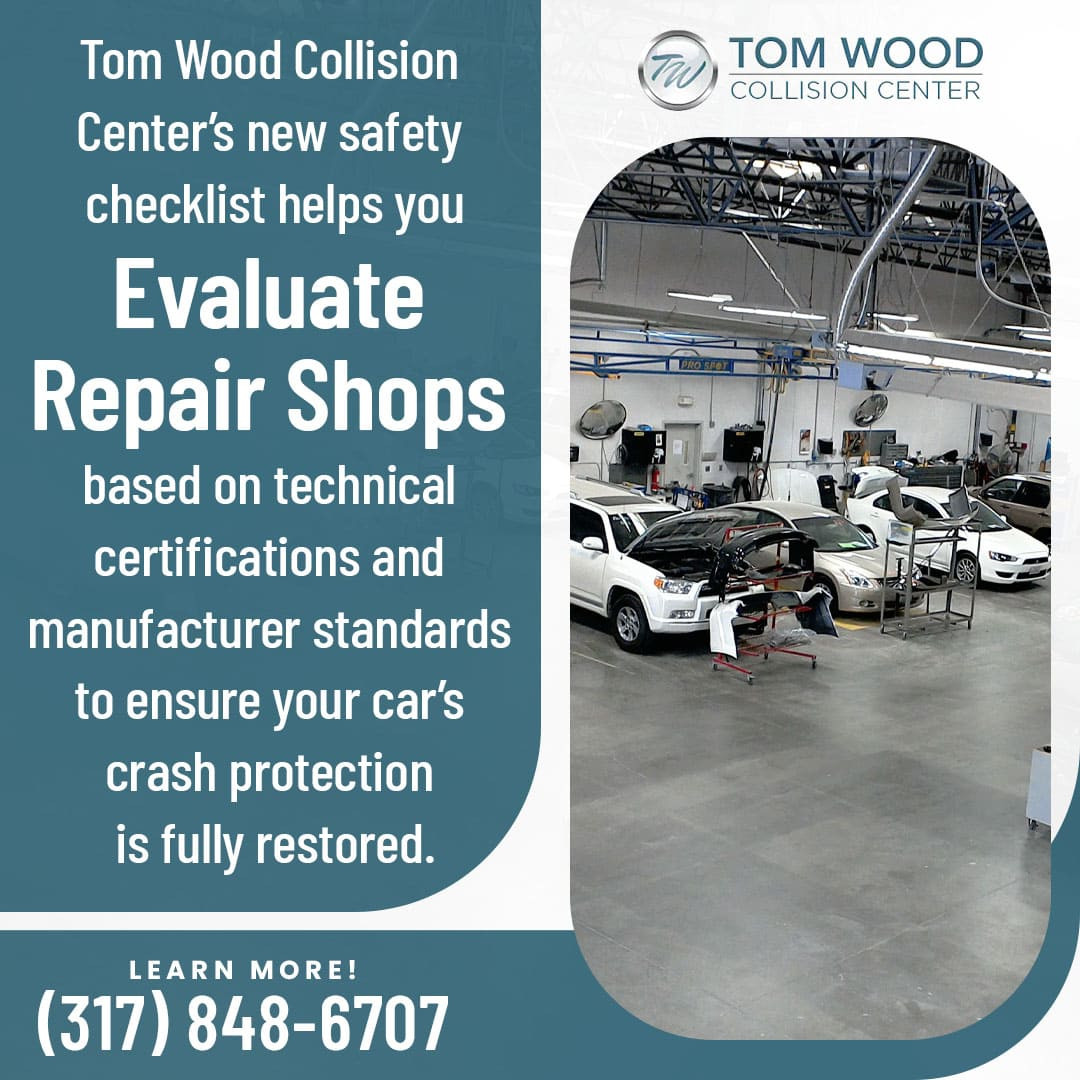
Indianapolis, IN – Tom Wood Collision Center released a detailed safety checklist to help drivers evaluate collision repair facilities after a crash. With modern vehicles relying on advanced safety systems, the company’s announcement highlights the connection between repair quality and long‑term crash protection for drivers throughout Carmel and the Indianapolis region.
Vehicle design has evolved considerably. Structural crumple zones, radar and camera systems, and networked electronic controls work together to prevent accidents and protect occupants when collisions occur. Repairs that fail to meet manufacturer specifications can leave vehicles outside of original tolerances, which can alter crash performance and reduce the effectiveness of integrated safety systems. This industry‑level concern has driven Tom Wood Collision Center to publish a measurable way for drivers to compare local auto collision repair options.

Industry Certifications and Technical Training Requirements
The first section of the checklist focuses on certifications that indicate technical training, facility capabilities, and commitment to ongoing education. Certifications reflect investments in tools and training rather than cosmetic skills alone.
I‑CAR Gold Class Recognition and Technician Credentials
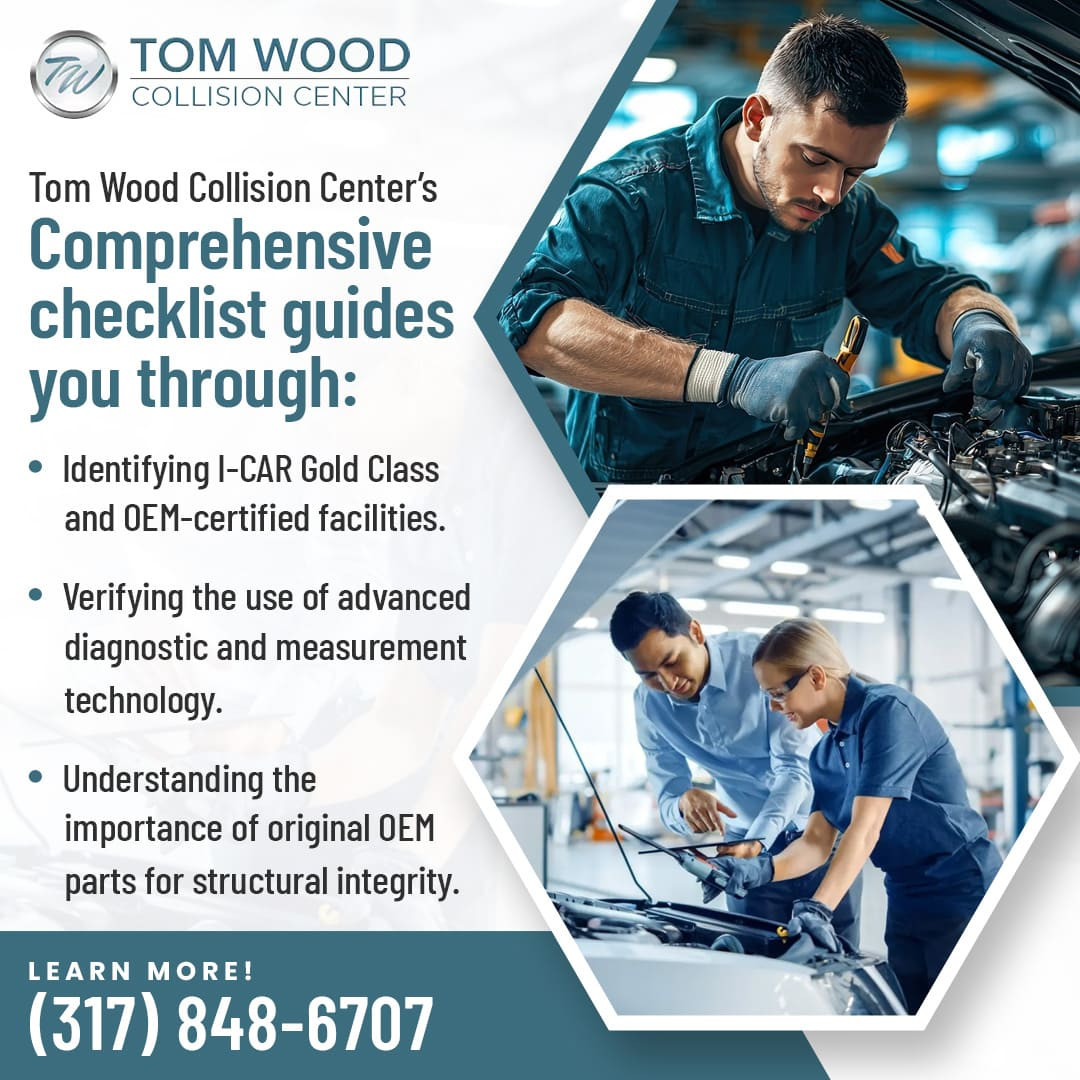
I‑CAR Gold Class status is a benchmark that reflects repeated technician training across structural and non‑structural repair disciplines. Facilities that maintain this credential must keep staff updated on procedures released by automotive manufacturers, an advantage when handling late‑model cars with complex safety systems.
Technician credentials through recognized industry organizations confirm individual skill levels in specific collision repair areas.
Manufacturer‑Specific OEM Accreditation
Original Equipment Manufacturer (OEM) accreditation indicates repair teams meet brand‑specific standards. Each manufacturer has unique requirements that cover specialized measurement systems, calibrated tools, and procedural steps.
Core Equipment, Facility Structure, and Repair Environment
The checklist places strong emphasis on evaluating the physical environment and tools used during repair.
Diagnostic and Measurement Technology
Advanced diagnostic scanning before and after repair detects both visible and hidden damage. Tools that connect with a vehicle’s control modules reveal errors that visual inspection cannot identify. Measurement systems that compare structural dimensions against factory specs help technicians restore frame integrity accurately.
Facilities lacking updated diagnostic tools or computerized measurement systems may overlook critical repair needs, which affects how a vehicle handles impacts in the future.
Dedicated Work Areas and Environmental Controls
Separate workstations for steel and aluminum repairs reduce contamination risk. A repair facility with distinct zones for different materials demonstrates investment in process control.
Climate‑controlled paint booths with regulated temperature and ventilation support durable finish application. Paint applied in uncontrolled spaces can suffer defects, but a clean, controlled environment supports consistent results and long‑lasting coatings.
Parts Selection, Transparency, and Documentation Practices
Original Parts and Alternatives
OEM parts match the exact fit, finish, and performance specifications of original components. Vehicles retain original crash performance when structural parts and safety components adhere to manufactured tolerances.
Some third‑party parts can be functional alternatives, but quality varies widely. Transparent explanation of parts choices allows drivers to weigh options based on performance needs rather than cost alone. Clear communication about parts warranties and labor coverage protects owners from surprises after collision repairs are complete.
Written Estimates and Progress Records
Detailed written estimates that itemize procedures, parts, and materials give vehicle owners clarity on planned work. Facilities that provide consistent documentation support a better understanding for owners and insurance adjusters alike.
Communication Standards and Repair Timeline Management
Repair Timeline Transparency
Credible repair providers outline realistic timelines based on repair scope, parts availability, and workload. Unrealistic speed promises may indicate rushed work or hidden shortcuts. Clear explanation of time factors such as structural realignment, paint curing, and safety system calibration builds a process that matches expectations with actual repair needs.
Regular Updates and Points of Contact
Drivers benefit when repair facilities provide updates on progress, parts arrival, and schedule changes through agreed methods of communication. A single point of contact reduces confusion. Documentation of supplemental damage discoveries and associated approvals prevents delays and disagreements later in the process.
Navigating Insurance Coordination and Owner Rights
The checklist reinforces that vehicle owners retain the right to choose their collision repair provider regardless of insurance company recommendations. Facilities experienced in insurance coordination assist owners by submitting detailed damage evidence, supporting claims with photographic and diagnostic data, and handling paperwork necessary for supplemental repairs.
Local Application of Best Practices
Tom Wood Collision Center has applied the checklist’s principles at its Carmel facility since 2012. The center’s technicians hold multiple manufacturer certifications and industry credentials. Advanced diagnostic technology, dedicated work areas, and climate‑controlled environments support consistent auto collision repair near Carmel that aligns with factory standards. Documentation detailing each repair stage reinforces transparency and owner confidence.
Protect Your Vehicle with Certified Auto Collision Repairs near Carmel
For drivers seeking reliable collision repair near them, Tom Wood Collision Center offers certified repairs backed by industry-recognized training and equipment. Schedule your consultation at (317) 848‑6707 for a full assessment backed by manufacturer-certified repair standards.
Contact Information:
Tom Wood Collision
9727 Bauer Dr E
Indianapolis, IN 46280
United States
Joshua Piccione
(317) 848-6707
https://www.tomwoodcollision.com/


Original Source: https://www.tomwoodcollision.com/blog/2026/january/8/finding-the-best-collision-repair-near-you-a-checklist.htm
