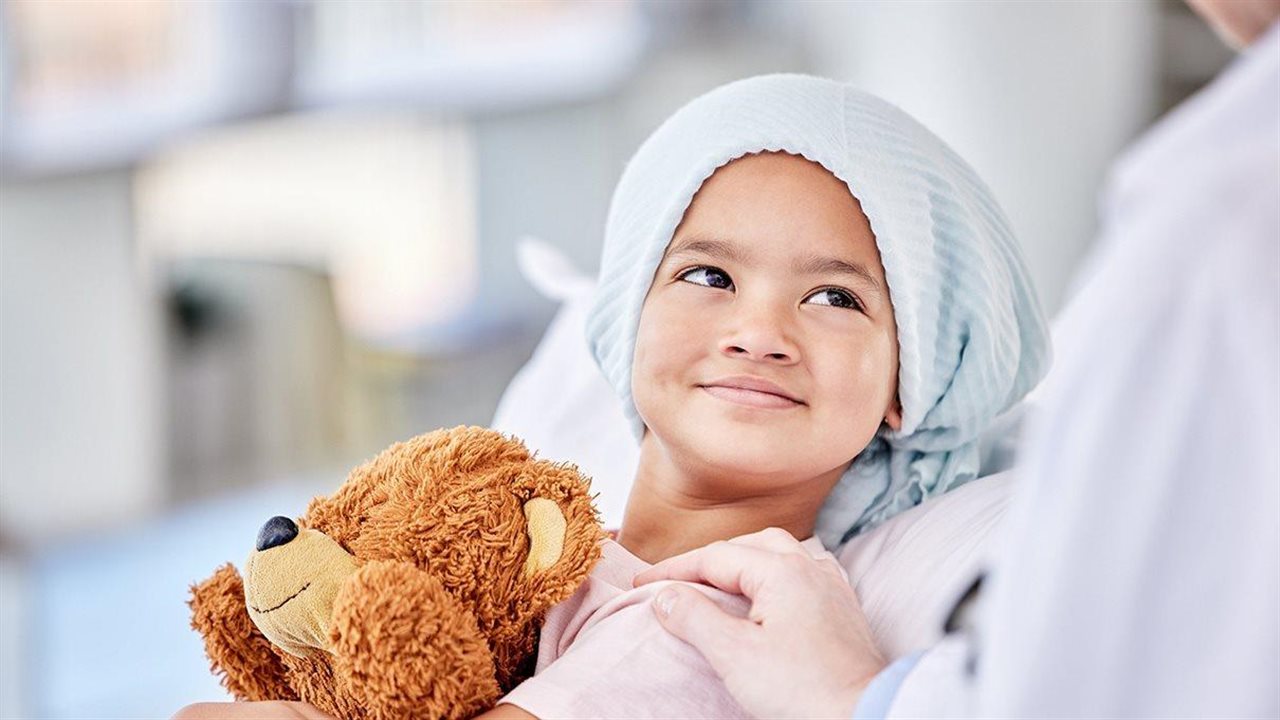
(BPT) - September is Childhood Cancer Awareness Month, a time to raise awareness of pediatric cancers and recognize the children and families affected by these diseases.
According to Children's Cancer Cause, approximately 15,000 children and adolescents are diagnosed with cancer each year in the U.S. There are more than 13 major types of pediatric cancers and more than 200 subtypes. One rare but incredibly challenging type of childhood cancer is high-risk neuroblastoma.
"Neuroblastoma is a cancer that develops from immature nerve cells and most commonly affects infants and young children," said Michele Ritter, a pediatric oncology nurse practitioner who worked closely with patients for over 30 years and now serves as a Clinical Nurse Educator at US WorldMeds. "While some forms can be treated successfully, children with high-risk neuroblastoma face a particularly difficult journey."
To help shine a light on high-risk neuroblastoma, highlight the importance of maintenance treatment and celebrate the role of caregivers, Ritter has answered some of the most common questions about high-risk neuroblastoma.
Why is high-risk neuroblastoma considered one of the most challenging childhood cancers?
The disease is aggressive and carries a significant risk of relapse, even after intensive treatment. Advances in treatment have improved outcomes, but preventing relapse remains one of the biggest challenges for families and healthcare providers.
Many people assume treatment ends when a child is declared cancer-free. Why is the period after remission still so important?
Achieving remission is a major milestone worth celebrating. However, it doesn't always mean the journey is over. Even when scans show no evidence of disease, cancer recurrence is still a concern. That's why physicians continue to monitor patients closely and may recommend additional strategies designed to help maintain remission and reduce the risk of relapse.
What is maintenance therapy?
After a patient has completed up-front therapy and achieved remission, they may be given maintenance therapy to help sustain the response already achieved and reduce the risk of the disease returning.
What do families need to know about the risk of relapse in high-risk neuroblastoma?
Relapse remains one of the biggest concerns in high-risk neuroblastoma. Even if children complete aggressive up-front therapy, about one-third of patients will experience relapse. That's why physicians remain focused on helping children achieve remission and implementing strategies that may help sustain it over time.
Childhood Cancer Awareness Month shines a spotlight on patients, but what about caregivers?
Caregivers are truly unsung heroes and play a vital role throughout every stage of the cancer journey. Parents and family members often spend months or even years navigating appointments, treatments, hospital stays and emotional challenges while advocating for their children every step of the way. Childhood Cancer Awareness Month is an opportunity to recognize and celebrate the resilience, dedication and essential role caregivers play in supporting children through treatment and recovery.
What message would you like families affected by high-risk neuroblastoma to hear this Childhood Cancer Awareness Month?
Families should know there's a real reason for hope, as advances in research and treatment continue to improve. They should also know they're not alone. There are multiple advocacy groups that can provide support and resources, and the medical community remains deeply committed to improving treatments, reducing the risk of relapse, and helping more children thrive long after cancer treatment ends.