
Understanding Treatment Schedules and Service Options Helps Michigan Homeowners Make Informed Decisions
Livonia, United States - January 30, 2026 / Independent Lawn Services /
Homeowners managing residential properties throughout Southeast Michigan regularly face decisions about lawn care approaches. Some property owners handle maintenance themselves until problems develop, while others establish ongoing professional programs before issues appear. Independent Lawn Service has published educational content examining when professional lawn care programs make sense and what factors influence these decisions.
The choice between proactive management and reactive problem solving affects both immediate lawn appearance and long term turf health. Understanding how different approaches work helps property owners make decisions aligned with their goals and expectations.
What Homeowners Often Misunderstand About Lawn Care Programs
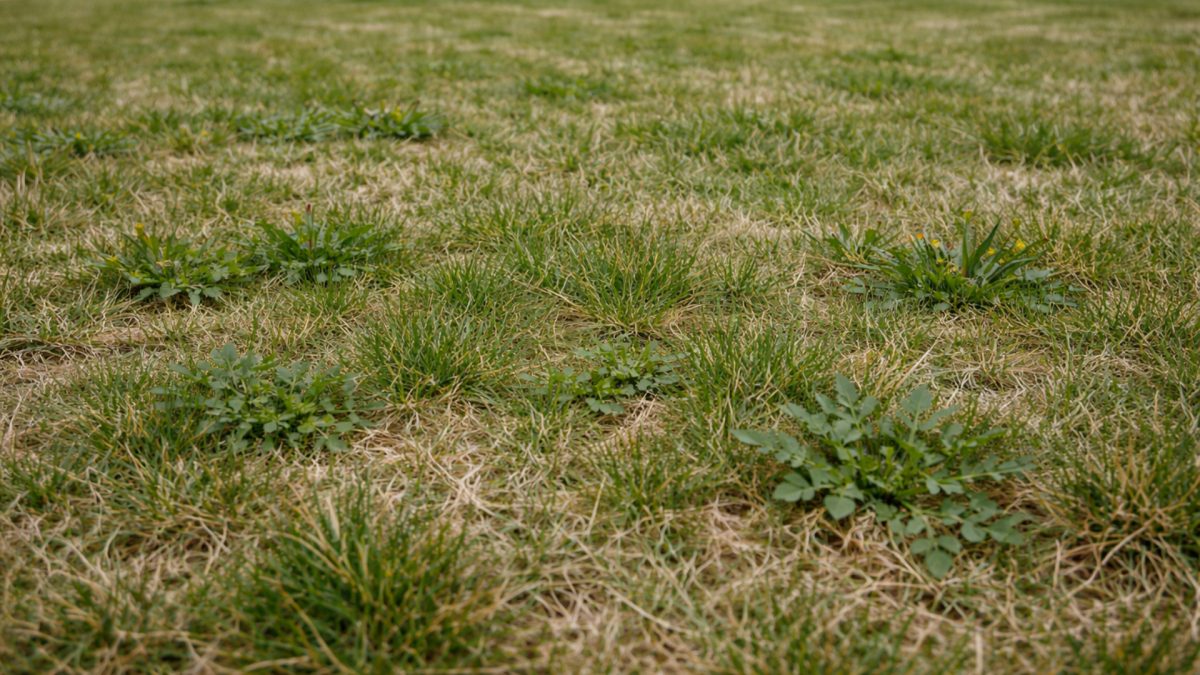
Many property owners view professional lawn care as a response to visible problems rather than a prevention strategy. They wait until weeds dominate turf areas, brown patches appear, or insect damage becomes extensive before seeking professional help. This reactive approach often requires more intensive intervention and higher costs than preventive programs would have involved.
Lawn care programs work through planned treatment sequences timed to grass growth cycles and pest life stages. Fertilization applications support root development and turf density at specific points during the growing season. Pre-emergent treatments prevent crabgrass and other annual weeds by creating barriers before seeds germinate. These preventive approaches only work when applied at correct times, before problems become visible.
Homeowners also frequently underestimate the complexity of proper lawn care. Successful turf management requires understanding soil conditions, grass species characteristics, local pest pressures, and appropriate treatment timing. Applying products at wrong times or in incorrect amounts often produces poor results and can damage turf.
Weather conditions significantly affect treatment effectiveness and timing. Temperature, rainfall, and soil moisture all influence when treatments should occur and how grass plants respond. Professional programs adjust application schedules based on actual growing conditions rather than fixed calendar dates.
The cumulative nature of lawn care results creates another common misunderstanding. Single applications rarely produce dramatic improvements. Benefits develop through consistent treatment over multiple growing seasons as soil health improves, turf density increases, and weed pressure decreases.
How Program Structure Affects Property Outcomes
Comprehensive lawn care programs address multiple factors affecting turf health rather than focusing on isolated problems. Treatment schedules typically include fertilization for nutrient support, weed control for competition management, and pest management for insect and disease pressure.
Fertilization programs follow seasonal patterns matching grass growth cycles. Cool season grasses common throughout Michigan require different nutrient timing than warm season species. Spring applications support active growth and green-up after dormancy. Summer treatments help turf tolerate heat stress. Fall fertilization builds root systems and energy reserves before winter dormancy.
Weed control combines pre-emergent treatments that prevent annual weed germination with post-emergent applications targeting existing weeds. Pre-emergent timing proves critical, as these products must be present in soil before weed seeds germinate. Missing application windows allows weeds to establish before prevention becomes possible.
Grub control and surface insecticide applications manage damaging insects at vulnerable life stages. White grubs feed on grass roots below ground, causing extensive damage before symptoms appear above ground. Preventive treatments applied when adult beetles lay eggs prevent larvae from establishing rather than trying to control established infestations.
Fungus and disease control addresses environmental conditions that encourage turf diseases. High humidity, poor air circulation, and excessive moisture create favorable conditions for fungal problems. Management combines appropriate fungicide applications with cultural practices that reduce disease pressure.
Aeration and overseeding services address soil compaction and turf density. Core aeration removes soil plugs, improving water infiltration and oxygen availability to roots. Overseeding introduces new grass plants, increasing turf density and reducing space available for weed establishment.
Programs structured around actual turf needs rather than arbitrary treatment counts produce better long term results. Properties with heavy weed pressure may require additional applications beyond standard programs. Lawns with disease history need monitoring and rapid response when conditions favor fungal problems.
How Professional Services Evaluate Individual Property Needs
Independent Lawn Service approaches lawn care program planning by assessing current turf conditions, identifying limiting factors, and developing treatment schedules addressing specific property needs. Initial evaluations examine soil conditions, existing weed and pest pressures, turf density, and any visible stress or damage.
Treatment recommendations consider property history and previous management approaches. Lawns receiving inconsistent care often show multiple overlapping problems requiring staged intervention. Properties transitioning from DIY maintenance to professional programs may need soil amendments or renovation services before standard maintenance programs produce desired results.
Communication with property owners helps establish realistic expectations about timeline and results. Severely damaged lawns may require multiple growing seasons to achieve good density and appearance. Properties with moderate weed pressure typically show significant improvement during the first season, with continued progress in subsequent years.
Program flexibility allows adjustments based on weather conditions, unexpected pest pressures, or changing property conditions. Drought stress may require treatment timing modifications. Unusual insect activity might necessitate additional applications beyond standard schedules.
Factors Influencing Program Effectiveness on Michigan Properties
Property characteristics throughout communities like Canton, Plymouth, and Livonia affect how lawn care programs perform. Soil types vary significantly across Southeast Michigan, influencing drainage, nutrient availability, and treatment effectiveness. Clay soils common in many areas require different management approaches than sandy soils.
Sun exposure and shade patterns affect grass species selection and maintenance requirements. Turf in full sun tolerates different mowing heights and fertilization rates than grass growing in shade. Properties with mixed exposure often benefit from customized approaches for different lawn areas.
Irrigation availability influences treatment timing and effectiveness. Properties with irrigation systems can maintain consistent soil moisture supporting better treatment results. Lawns depending on rainfall alone may require adjusted expectations during dry periods.
Existing landscape features affect maintenance requirements. Large trees compete with turf for water and nutrients. Poorly draining areas encourage disease problems. Understanding these site factors helps develop effective program strategies.
Building Relationships Through Consistent Service and Education
Independent Lawn Service works with residential property owners throughout Southeast Michigan, providing both routine maintenance programs and specialized treatments addressing specific problems. The company emphasizes clear communication about treatment timing, expected results, and factors affecting lawn performance.
Their local service approach includes explaining why treatments occur at specific times and what property owners should expect following applications. Service technicians note any developing problems during routine visits and recommend appropriate interventions when needed.
Customer education forms an important part of service delivery. Many property owners lack understanding about proper mowing heights, watering practices, and other cultural factors affecting treatment effectiveness. Guidance about these management practices helps property owners support professional treatments through appropriate maintenance between service visits.
Preventing Problems Through Strategic Planning
Decisions about lawn care approaches determine whether properties develop persistent problems or maintain healthy, attractive turf. Waiting until significant damage occurs before seeking professional help creates more extensive repair needs and longer recovery timelines. Establishing preventive programs before major problems develop protects property appearance and reduces intervention intensity required.
Understanding treatment components and timing helps property owners evaluate program options and set appropriate expectations. Independent Lawn Service provides lawn care services addressing fertilization, weed control, pest management, and turf health throughout Southeast Michigan. Property owners can contact the company to discuss current lawn conditions and learn about program options suited to their specific properties.


Contact Information:
Independent Lawn Services
12853 Levan Rd
Livonia, MI 48150
United States
Contact Independent Lawn Services
(734) 667-2476
https://www.independentlawnservice.com/

Original Source: https://independentlawnservice.com/media-room/
