As autumn temperatures across much of the United States begin their seasonal decline, RTZEN is drawing attention to an often-overlooked consequence of moving hanging plants indoors for the winter: the mounting environment changes, and so should the hardware that supports the plant.
The company identifies four variables that homeowners should reassess before rehanging a plant: the fully watered weight of the planter rather than its empty or dry weight, the new mounting surface, the appropriate bracket or hook type, and the clearance needed around windows, curtains, walls, and furniture. A 16-inch hanging basket can weigh 20 to 35 pounds once fully watered, which is why wet weight serves as the starting point in the RTZEN Plant Hangers Guide.
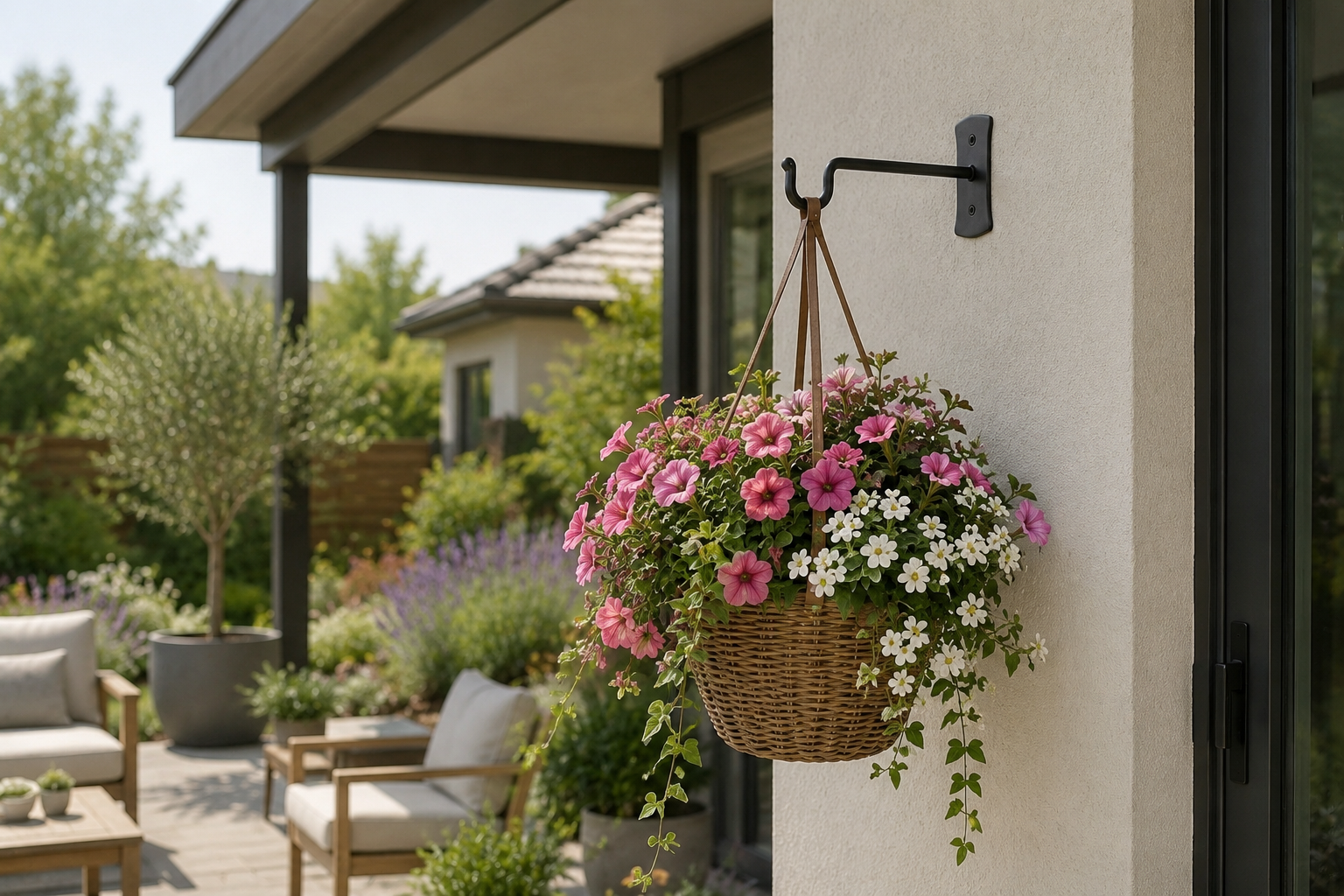
Recent horticultural guidance has prompted millions of seasonal plant moves. Penn State Extension updated its fall houseplant guidance on September 24, 2026, warning that many tropical, subtropical, and arid houseplants can be damaged when temperatures fall below roughly 50 degrees Fahrenheit, and advising owners not to wait until the first frost before moving plants inside. University of Minnesota Extension issued similar guidance on September 10, 2026, stating that most houseplants should be brought indoors as temperatures drop into the 40-to-50-degree range. NOAA climate-normal data show that the first fall freeze commonly occurs from mid-September into early October across much of the Midwest and Northeast, making late September a particularly relevant period for this advice.
RTZEN notes that the move itself creates a second, less discussed problem. A hanging basket that spent the summer suspended from a fence, porch beam, or garden bracket may now need to hang from interior drywall, a wall stud, or a ceiling joist. Those surfaces behave differently under load, and reusing outdoor mounting assumptions indoors can lead to failed anchors or damaged walls.
"The plant is only half of the decision," said Rami Abramson, a spokesperson of RTZEN. "When a basket comes indoors, people tend to focus on light and watering, but the wall or ceiling it hangs from is a structural question. Treating the pot, soil, water, and plant as one suspended load, and matching that load to the right surface and anchor, is what keeps a plant safely in place through the winter."
The distinctions between mounting options are addressed in the RTZEN Guide to Hanging Plant Hook Types, which compares wall brackets, ceiling hooks, S-hooks, and no-drill options according to mounting surface and intended use.
"Projection is easy to underestimate," Abramson added. "Indoors, a bracket that is too short crowds the window and stresses the fixing. A little planning before the drill comes out saves a lot of trouble later."
Placement near a window for light introduces another consideration, since the hanger must offer enough reach for the basket and foliage to clear the wall, trim, and curtains. The RTZEN Hanging Plant Bracket Size Guide connects arm projection to basket diameter so the rim clears the wall surface by one to two inches without placing unnecessary leverage on the mounting point.
RTZEN, operated by Iron-Craft since 1997, is a family-owned brand specializing in hand-forged wrought iron décor and functional hardware for home and office use. Its product range includes hooks, holders, hangers, curtain holdbacks, planter hooks, and shepherd's hooks, built on philosophy pillars of craftsmanship, quality and durability, and style, and backed by a Lifetime Warranty.
###
For more information about RTZEN, contact the company here:
RTZEN
Rami Abramson
info@rtzen-decor.com
16192 Coastal Highway Lewes
Delaware 19958
USA
