
San Antonio, TX, heating techs discuss ways to prevent furnace overheating and signs that it's happening.
San Antonio, United States - December 19, 2025 / Hunter Service Group /
What to Know About a Furnace Overheating
A furnace is built to run hot, but when temperatures inside the unit climb beyond normal operating limits, problems start to stack up quickly, and professional repairs may be needed. Understanding the risks of furnace overheating, recognizing early warning signs, and following simple preventative steps can help keep a heating system reliable and safe all winter long. This post outlines key dangers, common indicators of trouble, and practical ways to reduce the chance of an overheating furnace.
Risks of an Overheating Furnace
When a furnace begins to overheat, internal components experience stress far beyond what they were designed to handle. Repeated overheat cycles can warp or crack heat exchangers, damage wiring, and shorten the life of blower motors. That kind of wear often leads to expensive furnace repair and, in many cases, premature replacement of the entire unit.
An overheating furnace can also pose safety concerns. Excess heat inside the cabinet or in surrounding materials increases the chance of a fire if conditions are right, particularly when dust or nearby clutter is present. While modern systems include safety switches that shut equipment down when temperatures get too high, those safeguards should never be treated as a long‑term solution to ongoing furnace overheating.
There is also the issue of carbon monoxide. A compromised heat exchanger or damaged flue can allow combustion gases to mix with household air. Prolonged exposure to carbon monoxide raises the risk of carbon monoxide poisoning, which is why chronic overheating and repeated safety shutdowns should always be taken seriously rather than ignored or reset without investigation.
Signs of an Overheating Furnace
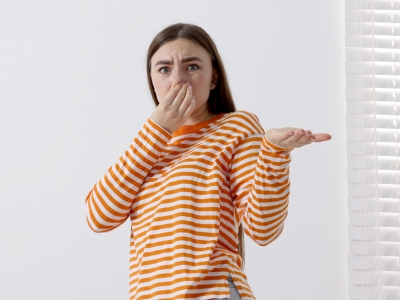 Furnace overheating rarely happens without leaving clues. One of the earliest signs is a persistent burning smell when the system runs. While a brief odor at the start of the heating season can be normal as dust burns off, a smell that continues or becomes stronger can indicate that internal components are getting hotter than they should.
Unusual sounds are another common warning. A unit that hums louder than normal, buzzes, or makes scraping or banging noises may be struggling with a blower problem, restricted airflow, or parts that have been damaged by excess heat. These conditions can lead to even higher internal temperatures if left unaddressed.
Short cycling often goes hand in hand with an overheating furnace. Instead of running steady cycles to bring the space to temperature, the system may turn on, operate briefly, then shut off before the thermostat setting is reached. High‑temperature limit switches can trigger these shutdowns to protect the equipment, but frequent short cycles are a clear sign that the cause of overheating needs attention.
Ways to Prevent a Furnace From Overheating
 One of the simplest defenses against furnace overheating is consistent furnace filter replacement. A clogged furnace filter restricts airflow, forcing the furnace to run hotter to move air across the heat exchanger. Replacing the furnace filter on a regular schedule—typically every one to three months, depending on filter type and household conditions—helps maintain proper airflow and reduces strain.
Regular furnace maintenance is equally important. During a maintenance visit, a professional can clean internal components, check for airflow issues, test safety switches, and verify that motors and fans are operating correctly. This kind of routine furnace maintenance improves efficiency, supports consistent comfort, and allows small problems to be corrected before they lead to dangerous temperatures or major failures.
Keeping the area around the furnace clear also matters. Storing boxes, fabrics, or flammable materials against the cabinet can trap heat and increase fire risk. Providing adequate space around the unit promotes better heat dissipation and easier access for inspection and service.
About Hunter Service Group
The highly responsive and trustworthy team at Hunter Service Group provides top-rated heating, cooling, and electrical services to San Antonio and surrounding communities. Call them today for knowledgeable technicians and flat-rate, upfront pricing when you schedule furnace tune-up and repair services in San Antonio, TX.

Contact Information:
Hunter Service Group
4710 Shavano Oak, #103
San Antonio, TX 78249
United States
Amy Hunter
(210) 837-1747
https://www.hunterservicegroup.com/
